The US government wants to bypass environmental laws for commercial launches and spacecraft reentries

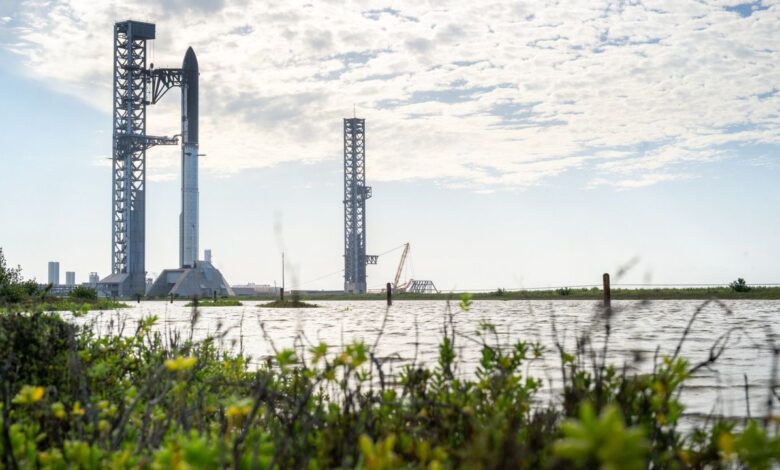
A new Federal Aviation Administration (FAA) proposal says the agency wants to speed up commercial space licensing for rocket launches and spacecraft re-entries by removing “unnecessary” environmental regulations.
The proposed FAA rule, released yesterday (July 29), has a 30-day period for comment and if approved, would apply to rocket launches, re-entering spacecraft, and the sites at which launches and re-entries take place. The FAA proposes to “waive requirements of laws of the U.S. for a license or permit, after consultation with the head of the appropriate executive agency, when the requirement is not necessary to protect the public health and safety, safety of property, and national security and foreign policy interests of the United States,” the text of the proposal reads, in part.
The Department of Transportation stated that the proposal, if implemented, would allow the agency to waive what it calls “unnecessary environmental laws and regulations” that it claims are “slowing American innovation.” However, the proposal will still require the FAA to ensure that launches do not impede on public health and safety, or U.S. national security or foreign policy.
To do so, the FAA plans to remove 13 federal laws from applying to “certain commercial space licenses and permits”, with examples including the National Environmental Policy Act, the Endangered Species Act, parts of the Clean Water Act, the Clean Air Act, and the National Historic Preservation Act.
The proposal takes place as the United States is seeing unprecedented demand on its limited spaceports for commercial launches, fueled by broadband satellite constellations like SpaceX Starlink, as well as emergent orbital data centers. Earlier this month, the U.S. government proposed moving some launch operations offshore to ease the demand backlog. More rocket launches, according to peer-reviewed research, could cause environmental issues.
The proposal also appears to build on two recent Trump administration executive orders. The first, from December 2025, saw the administration aim to redirect a wide swath of space policy — including boosting the number of rocket launches and landings. (These already were at unprecedented levels last year, mostly on the back of SpaceX.) The second one, in August, focused on streamlining launch licensing and accelerating spaceport construction.
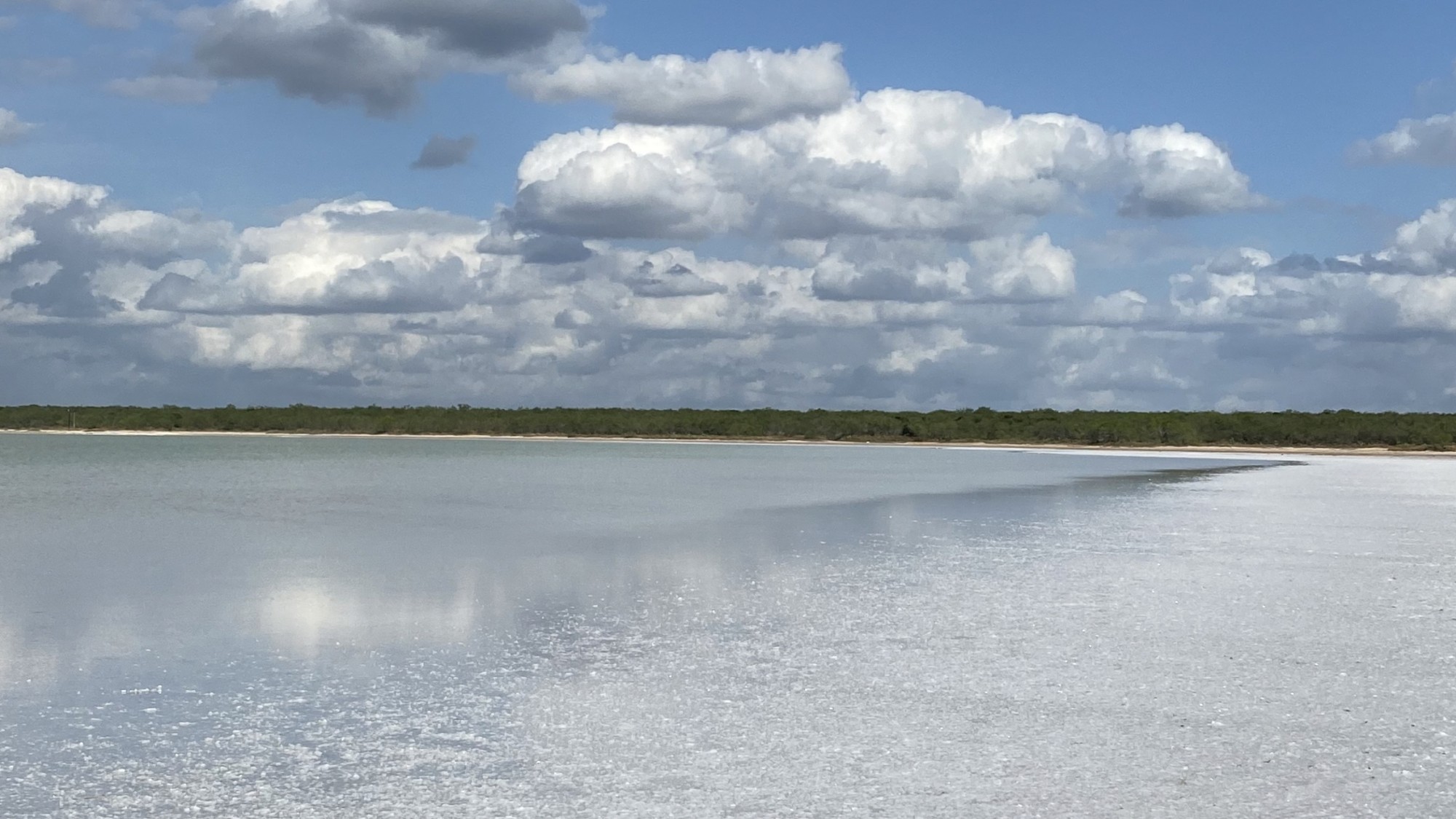
Meanwhile, SpaceX is trying to procure a federal land swap in south Texas, mostly for Starship operations, but its proposal prompted an emergency injunction last week filed by a coalition of conservation and tribal groups.
The groups allege this proposal would degrade the Lower Rio Grande Valley National Wildlife Refuge — from which the land is coming from — with legal implications as well, but the court has not yet ruled on a lawsuit the coalition raised in June.