On this day in space! July 30, 1610: Galileo sees Saturn’s rings for the 1st time

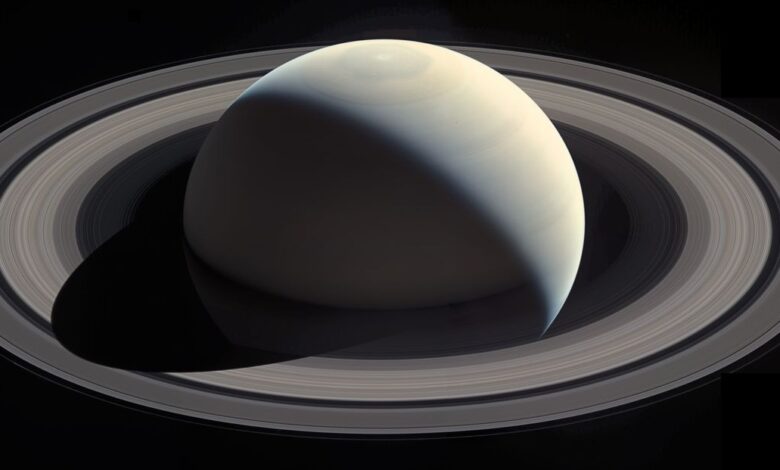
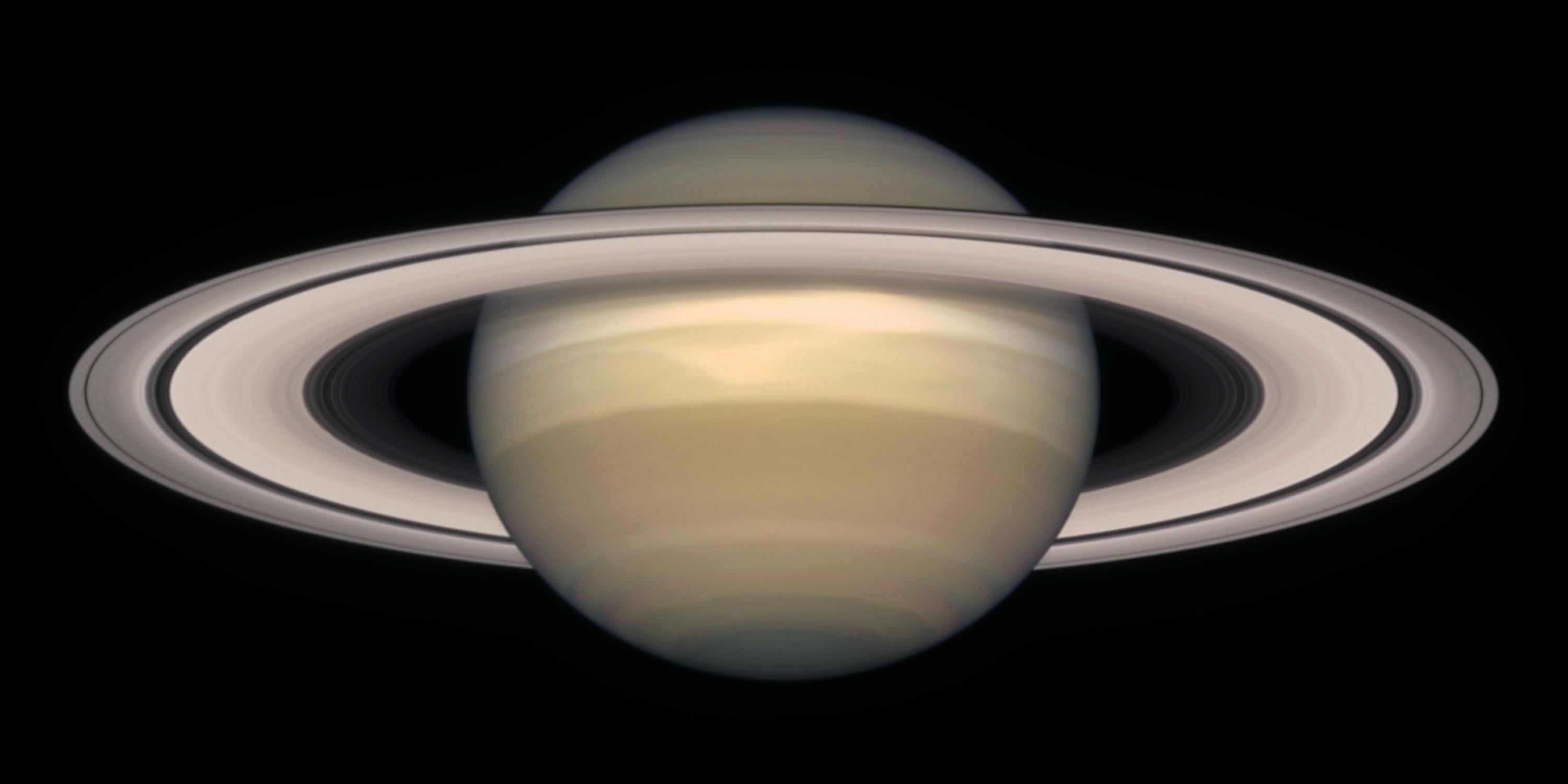
On July 30, 1610, the famous astronomer Galileo Galilei became the first to observe rings around the planet Saturn.
Shortly after the telescope was invented in 1608, Galileo peered out into the solar system and saw the amazing ring system. At first he didn’t actually think they were rings.
Instead, Galileo thought Saturn might have planetary “love handles” that gave it a weird shape. He also wondered if perhaps he was looking at two very large moons on either side of the planet. It wasn’t until 1659 that another astronomer named Christiaan Huygens figured out that these weird features were actually Saturn’s rings.
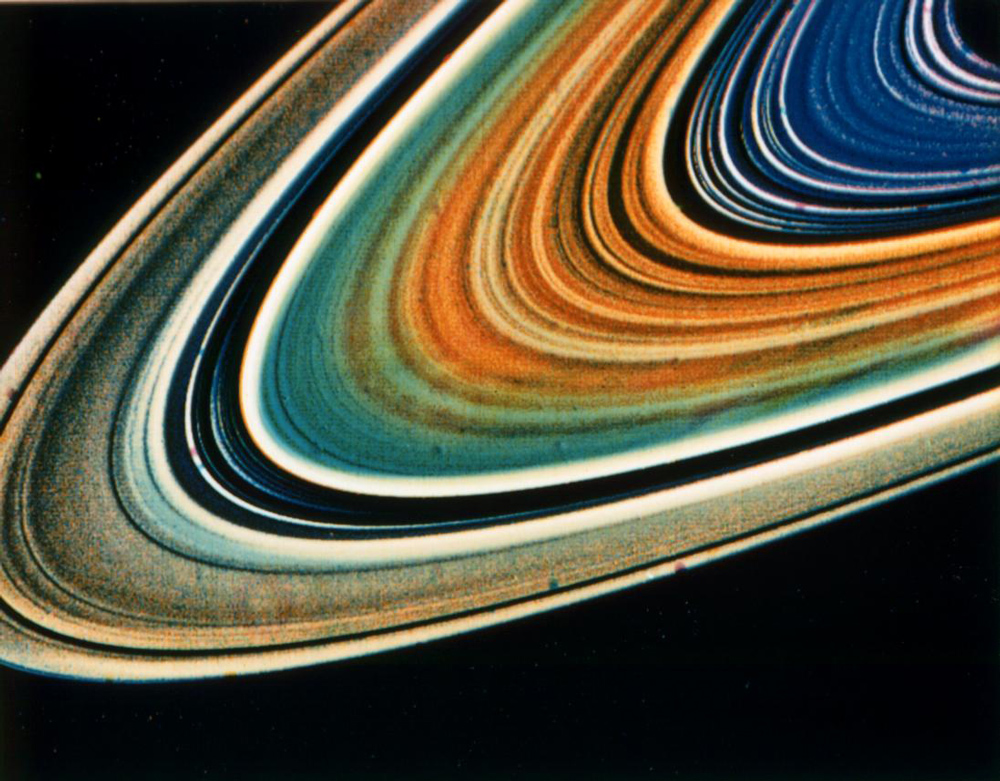
Why it mattered
Today, we may take Saturn’s rings for granted. After all, it IS known as the “ringed planet” and the jewel of our solar system. But there was a time when we didn’t know planets had rings at all, and that’s where Galileo’s discovery came in.
The telescope was a brand new technology, just two years old, when Galileo took it from a seafaring and distance tool and turned it into an essential item for astronomy. It helped him discover the major moons of Jupiter (we call them the Galilean moons for a reason) and also Saturn’s rings. In time, astronomers discovered rings around other large planets in our solar system (Jupiter has them, and Uranus, too), revealing them to be made up of tiny pieces of what may have been torn apart moons.
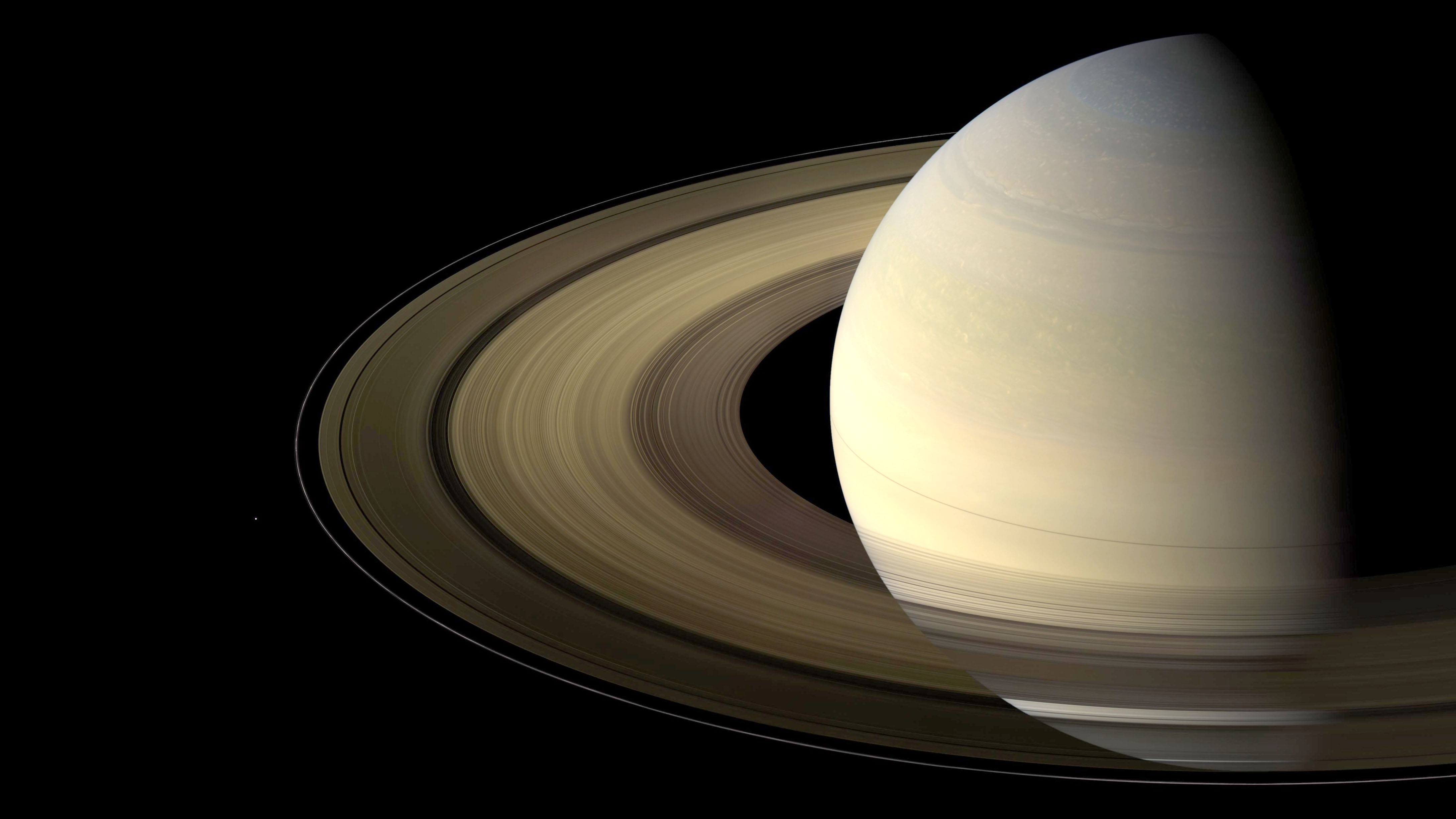
The study of Saturn’s rings has allowed astronomers to see the raw materials of the early solar system. They’re made mostly of water ice and shaped by so-called shepherd moons, tiny satellites that orbit Saturn in between ring bands. Saturn’s rings even have “kittens,” distinct formations scientists are only now starting to understand.
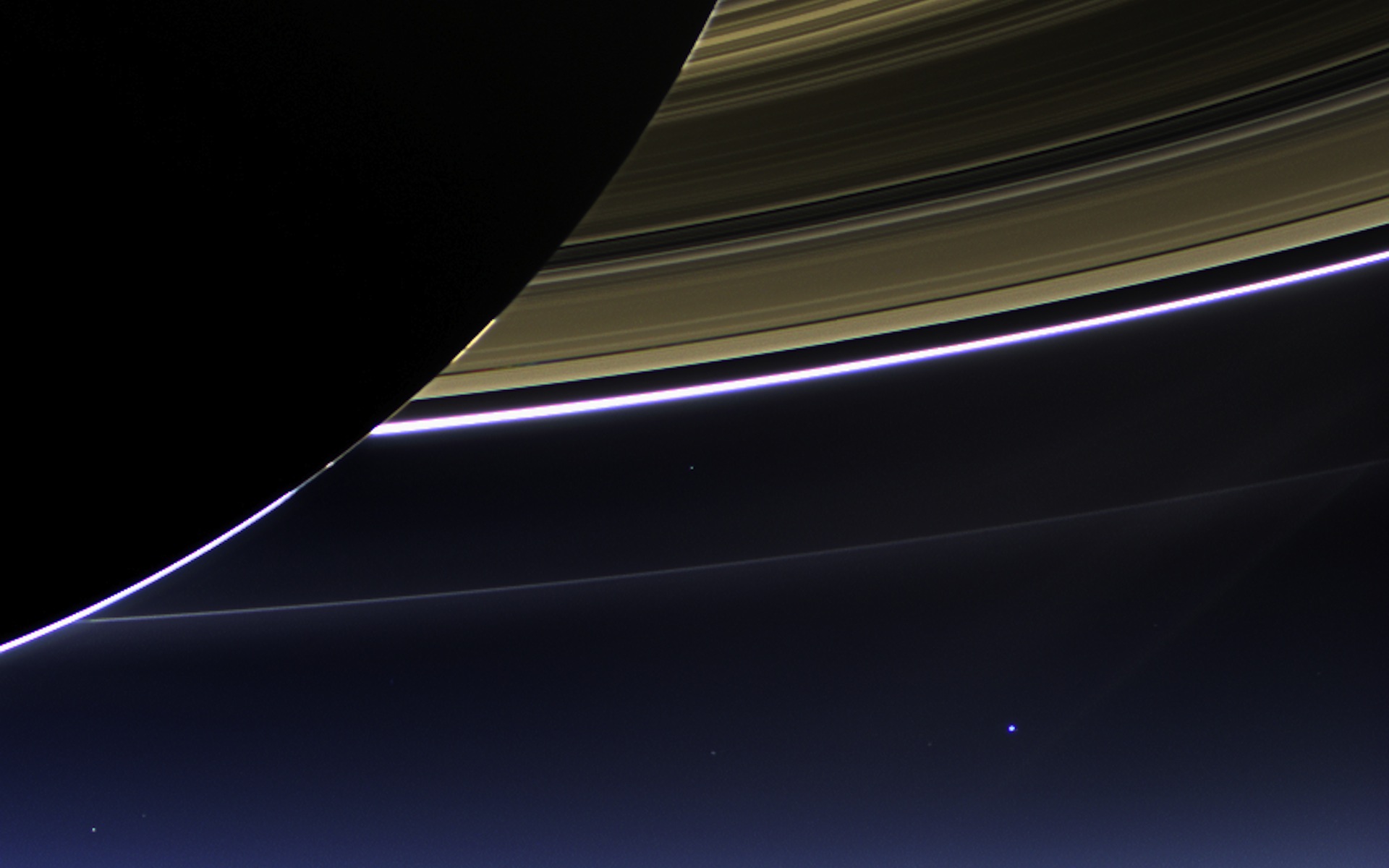
NASA’s Pioneer 11 passed through Saturn’s ring plane in 1979, with the Voyager 1 and Voyager 2 probes visiting in the 1980s. The Cassini spacecraft was the first to orbit Saturn, ultimately passing through the rings several times in 2017 before ending its mission in a “grand finale” with a crash into Saturn itself.